Chiller cooling systems are widely used to improve product quality and meet cooling needs in buildings. These systems have a mechanism that prepares cold water for use in fan coils and air handling units. However, they are not limited to water, and there are alternative systems available.
Advantages of Chiller Cooling Systems and Their Applications
Compared to other cooling systems, chiller technology provides high-capacity cooling and is preferred in many industries. Common applications of chiller systems include:- Factories
- Food and pharmaceutical industries
- Plastic production plants
- Cosmetic manufacturing facilities
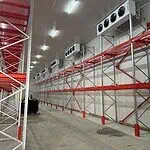
- Cold storage warehouses
- Shopping malls
- Hotels
- Hospitals
- Gyms
- Office buildings
Parts of Chiller Cooling Systems
The parts used in chiller systems may vary depending on the type of system. In general, the following components are found:- Condenser
- Compressor
- Expansion Valve
- Shell and Tube (in water-cooled systems)
Types of Chiller Cooling Systems
Chiller units used for ideal climate control are divided into two main categories:- Air-Cooled Chiller
- Water-Cooled Chiller
Air-Cooled Chiller and Its Working Principle
Air-cooled chiller systems use the air as a heat source to increase energy efficiency. The working principle is based on the following steps:- The refrigerant, which is compressed and at a high temperature, is sent to the condenser.
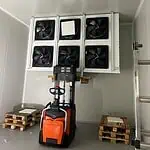
- High-speed fans provide airflow over the coil to transfer heat.
- Heat is transferred from the refrigerant to the air, completing the cooling process.
Water-Cooled Chiller and Its Working Principle
Water-cooled chiller systems are different from air-cooled systems. Instead of coils, they contain components like Shell and Tube or Heat Exchanger. The working principle is as follows:- Water from the cooling tower circulates through part of the condenser.
- The other part of the condenser contains refrigerant at high temperature and pressure.
- Heat transfer occurs between the refrigerant and water without direct contact.
- The refrigerant gives up its heat to the water and condenses, then it is directed to the expansion valve.