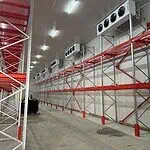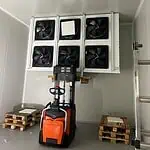
Industrial and commercial cooling systems are becoming more efficient and intelligent with the advancement of technology. Next-generation sensors and automation systems provide energy savings while maximizing system performance. In this article, we will explore the latest sensor and automation technologies used in cooling systems.
Next-Generation Sensors and Their Functions
Modern cooling systems use many sensors with different functions. These sensors collect critical data to ensure the system operates effectively.
- Temperature Sensors
One of the most commonly used sensors in cooling systems. They provide precise temperature measurement to ensure the cooling system operates optimally. - Pressure Sensors
Used for the efficient operation of compressors and condensers. They measure the pressure of the refrigerant inside the system to detect abnormal situations. - Humidity Sensors
Used to control humidity levels in storage areas and industrial cooling systems. Maintaining humidity balance improves product quality. - Flow Sensors
These sensors measure the flow rate of refrigerants or water to ensure smooth system operation. They are used to detect blockages that may occur in internal or external units.
Smart Cooling with Automation Technologies
Next-generation automation systems play a key role in ensuring that cooling systems operate more efficiently. These systems minimize manual intervention, providing energy savings and extending system life.
- Remote Control via IoT (Internet of Things)
Cooling systems can be controlled remotely with IoT-enabled devices. Through cloud-based software, systems can be monitored and controlled via mobile applications or computers. - Smart PLC Systems
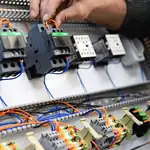
Programmable Logic Controllers (PLC) automatically operate cooling devices based on defined parameters. They analyze temperature, pressure, and flow data to provide optimal performance. - AI-Driven Automation
Machine learning algorithms can analyze data from system sensors to predict cooling needs. This helps prevent unnecessary energy consumption and prolong the system’s life. - Automatic Alarm and Notification Systems
When anomalies are detected based on sensor data, users are immediately notified. This enables rapid intervention to prevent major failures.
Advantages of Next-Generation Cooling Technologies
- Energy savings: Precise sensors and automation systems prevent unnecessary energy consumption.
- Cost reduction: Early detection of faults reduces maintenance and repair costs.
- Remote monitoring: Thanks to IoT and smart control systems, users can monitor and control their systems from anywhere.
- Longevity: Sensor-supported protection systems help ensure that devices last longer.
Conclusion
The next-generation sensors and automation technologies used in cooling systems make a significant impact on energy efficiency and minimizing operational costs. These advanced technologies are not only transforming industrial facilities but also making a difference in commercial and residential sectors. Investing in these technologies will be a step towards continuous savings and efficiency in the future.