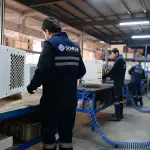
Industrial cooling is one of the cornerstones of modern production and storage processes. Used in a wide range of industries from food production to pharmaceutical storage, cooling systems are essential to improve product quality, ensure safety, and keep products fresh. In this article, we will explore the most common applications of industrial cooling systems and how they make a difference across various industries.
1. Frozen Food Industry and Industrial Cooling
Production and storage of frozen food are among the sectors where temperature control is most critical. Industrial cooling systems help maintain the freshness of food and prevent deterioration. Cold storage rooms and freezers facilitate the transportation and storage of frozen food products. The continuity of the cold chain is essential for food safety.
2. Poultry Production and Cooling
Poultry is a perishable product, and industrial cooling ensures rapid cooling of the meat. This helps maintain meat quality and prevents bacterial contamination. Proper cooling techniques in poultry production increase food safety and extend product shelf life.
3. Meat and Meat Products Cooling
In meat production, cooling helps preserve the products under hygienic conditions. Meat must be processed and stored at appropriate temperatures. Industrial cooling ensures the quality of the meat and prevents the proliferation of microorganisms, guaranteeing that the meat stays fresh.
4. Seafood and Cooling Technology
Seafood must be presented fresh and of high quality. These products can deteriorate quickly, so industrial cooling systems are crucial. Refrigerated storage and transportation help preserve the freshness of seafood and ensure food safety.
5. Milk and Dairy Products Storage
Milk is a product where bacteria multiply rapidly, so milk and dairy product storage is a crucial step. Industrial cooling systems help maintain the freshness of dairy products, reduce the risk of food poisoning, and extend their shelf life.
6. Pastries and Cooling Needs
In pastry production, temperature control is crucial. Industrial cooling systems help preserve the freshness of products and prevent flavor loss. Temperature regulation during production enhances the quality of the products.
7. Controlled Environment Storage
Controlled environment storage is a technique used to keep fruits and vegetables under optimal conditions. Cooling systems help maintain the freshness of these products by controlling oxygen, carbon dioxide, and humidity levels. This helps reduce post-harvest losses.
8. Cooling Solutions for Fruits and Vegetables
Fruits and vegetables can deteriorate quickly if not stored under appropriate conditions. Industrial cooling systems help preserve the freshness of these products. Cold storage rooms and refrigerated transport systems extend the shelf life of produce and reduce food waste.
9. Banana Cooling and Prevention of Yellowing
Bananas must be stored under appropriate conditions before they begin to yellow. Industrial cooling systems slow down the yellowing process, helping to maintain their freshness and quality. Cold storage rooms for bananas regulate this process and increase efficiency.
10. Potato and Onion Cooling
Potatoes and onions must be stored under proper temperature and humidity conditions. Industrial cooling systems help keep these products fresh and prevent sprouting. Cold storage rooms ensure the safe storage of these products.
11. Logistics Storage and Cold Chain
In logistics, refrigerated transportation and storage are vital. Industrial cooling systems allow for the safe transport and storage of fresh food, pharmaceuticals, and other sensitive products. This ensures that products arrive at their final destination in good condition and safe.
12. Ice Skating Rinks and Cooling Systems
In ice rinks, cooling systems are essential. Cooling machines keep the ice frozen continuously, providing a safe environment for athletes. With regular cooling, ice rinks remain usable continuously.
13. Climatic Testing and Industrial Cooling
Climatic tests assess a product’s durability under different temperature and humidity conditions. Industrial cooling systems help conduct these tests correctly. This is crucial for monitoring how products perform in all types of environmental conditions.
14. Refrigerated Storage in Containers and Transport
Cooling systems in containers play an important role in maritime transport. Industrial cooling helps preserve fresh products, pharmaceuticals, and chemicals during long-distance transport.
15. Pharmaceutical Storage and Cooling
Some medications require storage at specific temperatures. Industrial cooling systems help maintain the efficacy and safety of medications. Refrigerated storage systems ensure the safe storage of pharmaceuticals.
16. Cooling Solutions for Chemicals
Temperature control is crucial when storing chemicals. Industrial cooling systems help store chemicals safely and maintain reactions under control.
Conclusion: The Importance of Industrial Cooling
Industrial cooling systems are a key technology that enhances quality, ensures product safety, and improves efficiency across all sectors. From food production to pharmaceutical storage, these systems help ensure sustainable production and transport. No matter your industry, you can benefit from the power of industrial cooling to store and transport your products in optimal conditions.