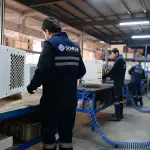
Industrial cooling systems are technological solutions used to control temperatures in large-scale production processes or in heat-sensitive environments. These systems typically work with air, water, or other cooling liquids and prevent industrial machinery, equipment, and production processes from overheating.
Operating Principle of Industrial Cooling Systems
Industrial cooling systems are generally based on thermodynamic principles. Cooling fluids or gases transfer heat to the surrounding air or water. These systems typically consist of a compressor, condenser, evaporator, and expansion valves. The cooling fluid absorbs heat from the hot environment through these components to create a cooler environment.
Applications of Industrial Cooling Systems
Industrial cooling systems are widely used in many sectors. Here are some key applications:
- Food and Beverage Industry: Cooling systems are often used to prevent food products from spoiling. Especially during storage and transportation, cooling helps maintain the freshness of food.
- Chemical Industry: Since chemical reactions occur at high temperatures, cooling systems are crucial in the chemical industry.
- Energy Production: Power plants and other energy production facilities use cooling systems to prevent machines from overheating.
- Aerospace and Aviation Industry: In aviation systems, aircraft engines require cooling systems to function efficiently.
- Computer and Data Centers: Industrial cooling systems are used to prevent high-performance servers and data centers from overheating.
Advantages of Industrial Cooling Systems
Industrial cooling systems offer many advantages. Here are some of them:
- Increased Efficiency: Cooling systems ensure the efficient operation of machinery, accelerating the production process and reducing energy costs.
- Preserving Product Quality: Temperature control plays a major role in preserving product quality, especially in the food industry.
- Increased Equipment Lifespan: Preventing overheating extends the lifespan of machines and reduces maintenance costs.
- Environmentally Friendly Solutions: Modern cooling systems contribute to reducing environmental impact by improving energy efficiency.
Factors to Consider in Industrial Cooling Systems
Proper selection and maintenance of cooling systems are crucial for their efficient operation. Here are some factors to consider:
- Energy Efficiency: The energy consumption of cooling systems directly affects operational costs. Choosing efficient systems saves costs in the long term.
- Size and Capacity: The capacity of the cooling system should be selected according to the size of the space and its needs.
- Maintenance and Spare Parts: Regular maintenance ensures the system operates effectively. Availability of spare parts is also an important factor.
Industrial cooling systems are essential technologies that increase efficiency, optimize production processes, and preserve product quality in the modern industrial world. These systems offer environmentally friendly solutions and help reduce environmental impact.
By investing in industrial cooling systems, you can increase production efficiency and achieve long-term savings. Choosing cooling systems that meet your needs can make a significant difference in your business success.