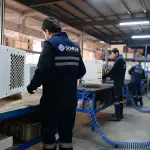
Today, central cooling systems, monoblock cooling systems, and water cooling systems are used in many areas, ranging from industrial facilities to hospitals, from food storage areas to shopping malls. Regular maintenance and timely repairs are of great importance for the proper functioning and longevity of these systems.
1. The Impact of Maintenance and Repair on Cooling Systems
Any malfunction in cooling systems can increase energy consumption and shorten the system’s lifespan. Periodic inspection and cleaning of critical components such as condensers and evaporators ensure efficient operation of the system. Otherwise, cooling capacity decreases, and the system consumes more energy.
2. Energy Efficiency and Cost Benefits
A poorly maintained cooling system consumes unnecessary energy, increasing operating costs and harming the environment. Dirt accumulation on condenser surfaces and clogging of evaporators make heat transfer more difficult, leading to higher energy consumption. Regular maintenance prevents these problems and ensures a more efficient working environment.
3. Reducing the Risk of Malfunctions and Unplanned Downtime
Unplanned downtime in industrial facilities can result in significant financial losses. Periodic maintenance of cooling systems allows for early detection and resolution of potential malfunctions. This saves time and avoids high repair costs.
4. How Should the Maintenance Plan for Cooling Systems Be?
It is recommended to follow these steps to create an effective maintenance plan:
- Cleaning of Condensers and Evaporators: These should be cleaned regularly to improve heat transfer efficiency.
- Gas Level Check: Refrigerant leaks should be checked, and necessary refills should be done.
- Maintenance of Fans and Motors: Wear or mechanical issues should be detected and repaired early.
- Electrical Components Check: Cables and connections should be inspected periodically.
Conclusion
Regular maintenance and timely repairs of industrial cooling systems are among the best ways to extend the system’s lifespan, save energy, and reduce operational costs. By establishing a planned and regular maintenance program, an efficient and long-lasting system can be used.